Entender la adicción al juego un camino hacia la recuperación

Entender la adicción al juego un camino hacia la recuperación

Definición de la adicción al juego

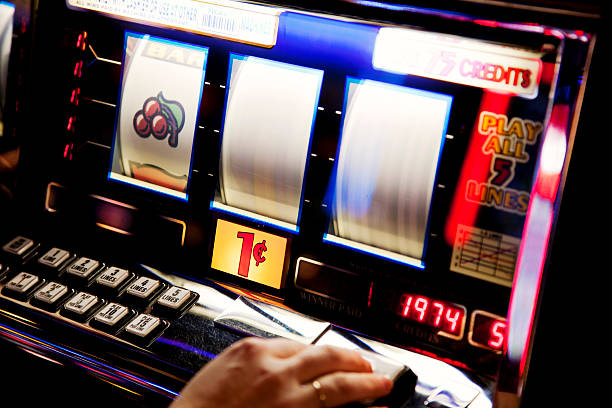
La adicción al juego, también conocida como ludopatía, es un trastorno que afecta a muchas personas en todo el mundo. Se caracteriza por la incapacidad de resistir el impulso de jugar, lo que puede llevar a consecuencias devastadoras en la vida personal, social y laboral. Este comportamiento compulsivo puede manifestarse tanto en casinos físicos como en plataformas de juego en línea, haciendo que la adicción sea aún más accesible en la actualidad, al igual que los mejores casinos online que impulsan el acceso al juego.

El juego compulsivo no solo afecta a la persona que juega, sino que también tiene un impacto significativo en su familia y amigos. El daño emocional y financiero puede ser profundo, creando un ciclo de desesperación del que muchas personas luchan por escapar. Entender la naturaleza de esta adicción es el primer paso hacia la recuperación.

Causas de la adicción al juego

Las causas de la adicción al juego son múltiples y pueden incluir factores biológicos, psicológicos y sociales. Algunos estudios sugieren que ciertas predisposiciones genéticas pueden aumentar la vulnerabilidad de una persona al juego. Además, trastornos mentales como la depresión y la ansiedad también están vinculados a la ludopatía, ya que algunas personas utilizan el juego como una forma de escapar de sus problemas.

El entorno social también desempeña un papel crucial. Aquellos que están rodeados de amigos o familiares que juegan pueden sentir una presión social que los lleve a participar. Además, la facilidad de acceso a los casinos en línea ha cambiado la forma en que se juega, haciendo que la tentación sea más difícil de resistir.

Consecuencias de la adicción al juego

Las consecuencias de la adicción al juego pueden ser devastadoras. En términos financieros, las personas pueden perder grandes sumas de dinero, lo que puede llevar a la ruina económica. Esto no solo afecta a la persona que juega, sino también a sus seres queridos, quienes pueden verse arrastrados a una espiral de deudas y problemas financieros.

Además de las implicaciones económicas, la adicción al juego también puede tener un impacto emocional significativo. Muchos ludópatas experimentan sentimientos de culpa, ansiedad y depresión. La soledad y el aislamiento social son comunes, ya que el juego compulsivo puede alejar a las personas de sus relaciones más cercanas.

Camino hacia la recuperación

La recuperación de la adicción al juego es un proceso que requiere tiempo, esfuerzo y apoyo. Existen diversos enfoques terapéuticos, incluyendo la terapia cognitivo-conductual, que ayuda a las personas a cambiar sus patrones de pensamiento y comportamiento relacionados con el juego. Grupos de apoyo como Jugadores Anónimos también ofrecen un espacio seguro donde los individuos pueden compartir sus experiencias y encontrar solidaridad entre aquellos que enfrentan desafíos similares.

Es fundamental que las personas reconozcan que la recuperación no es un destino, sino un camino continuo. Establecer metas realistas y buscar ayuda profesional son pasos esenciales para superar la adicción al juego. La paciencia y la perseverancia son clave en este viaje hacia una vida más saludable.

Recursos y apoyo en el proceso de recuperación

Para aquellos que buscan ayuda y orientación en su camino hacia la recuperación de la adicción al juego, hay múltiples recursos disponibles. Muchas organizaciones ofrecen líneas de ayuda y programas de tratamiento que pueden ser accesibles para todos. Estos recursos están diseñados para proporcionar apoyo emocional y estrategias prácticas para enfrentar la adicción.

Además, es importante informarse sobre los sitios que ofrecen apoyo en línea y en persona. Con una variedad de herramientas y comunidades, los individuos pueden encontrar el respaldo necesario para avanzar hacia una vida sin la carga del juego compulsivo. La información es poder, y conocer las opciones disponibles es un paso crucial hacia la recuperación.


Les idées reçues sur les jeux d’argent démêler le vrai du faux

Les idées reçues sur les jeux d’argent démêler le vrai du faux

Les jeux d’argent favorisent la dépendance

Une idée reçue courante est que les jeux d’argent mènent systématiquement à la dépendance. Bien que certaines personnes développent des comportements problématiques, cela ne s’applique pas à tout le monde. Beaucoup de joueurs savent gérer leur temps et leurs finances, profitant du jeu casino en ligne comme d’une forme de divertissement sans que cela ne devienne une addiction.

La dépendance au jeu est un problème réel, mais elle est souvent liée à des facteurs personnels tels que des antécédents familiaux ou des problèmes émotionnels. En comprenant les risques et en jouant de manière responsable, la majorité des joueurs peuvent éviter ces comportements néfastes.

Les casinos sont toujours truqués

Une autre idée reçue est que les casinos manipulent les jeux pour garantir des pertes aux joueurs. En réalité, les casinos en ligne et physiques doivent respecter des réglementations strictes. Ils utilisent des générateurs de nombres aléatoires pour assurer l’équité des jeux. Ces systèmes sont régulièrement audités par des organismes externes pour garantir leur intégrité.

Il est donc faux de croire que les jeux sont systématiquement truqués. Les résultats des jeux sont en grande partie basés sur le hasard, et chaque joueur a une chance équitable de gagner, en dépit de l’avantage de la maison qui est intégré dans le fonctionnement des jeux.

Il est impossible de gagner aux jeux d’argent

Beaucoup pensent qu’il est impossible de gagner aux jeux d’argent, mais cela est loin d’être vrai. Bien qu’il soit plus probable de perdre que de gagner à long terme, certains joueurs remportent des gains significatifs. Des jackpots de loteries aux gains sur les machines à sous, de nombreuses histoires de succès existent.

Il est essentiel de garder à l’esprit que le jeu doit être considéré comme une forme de divertissement. Les gains ne doivent pas être vus comme un revenu garanti, mais plutôt comme une chance occasionnelle. La gestion des attentes est donc cruciale pour une expérience de jeu agréable.

Les jeux d’argent sont illégaux

Une idée reçue répandue est que tous les jeux d’argent sont illégaux. En réalité, de nombreux pays, y compris la Belgique, régulent les jeux d’argent, permettant l’opération de casinos en ligne et physiques sous des licences appropriées. Les joueurs ont accès à des plateformes sécurisées et légales qui garantissent leur protection.

La législation sur les jeux d’argent varie d’un pays à l’autre. Il est donc important pour les joueurs de se renseigner sur les lois de leur pays avant de s’engager dans des activités de jeu. Jouer sur des sites légaux offre une sécurité supplémentaire et une tranquillité d’esprit.

Votre guide des casinos en ligne

Notre site est votre référence pour découvrir les meilleurs casinos en ligne en Belgique. Nous offrons un classement des plateformes basées sur des critères de fiabilité, de sécurité et d’attrait des promotions. Vous trouverez des jeux diversifiés sur des sites agréés, garantissant un divertissement légal et sécurisé.

En vous guidant à travers les différentes options disponibles, nous veillons à ce que vous puissiez jouer en toute confiance. Notre objectif est de vous aider à maximiser votre expérience de jeu tout en vous assurant un accès à des offres avantageuses et à des paiements rapides.

Understanding legal aspects of casinos A comprehensive overview

Understanding legal aspects of casinos A comprehensive overview

Overview of Casino Regulations

The legal landscape surrounding casinos is complex and varies significantly across different jurisdictions. In many countries, the regulation of casinos is primarily focused on ensuring fair play, preventing crime, and protecting vulnerable populations. Additionally, governments implement a variety of licensing requirements, age restrictions, and operational standards that casinos must adhere to in order to operate legally. As players explore options, they may find appealing opportunities like online pokies in the ever-evolving landscape.

In addition to local laws, casinos must also comply with international regulations if they conduct business online. This often involves stringent measures to prevent money laundering, fraud, and underage gambling. Understanding these regulations is crucial for casino operators to ensure compliance and for players to be aware of their rights and responsibilities.

The Role of Licensing Authorities

Licensing authorities play a pivotal role in the casino industry. These entities are responsible for granting licenses to operators and monitoring compliance with gaming laws. They conduct thorough background checks on applicants, assess the integrity of gaming operations, and ensure that gaming equipment meets industry standards. In essence, licensing authorities serve as a safeguard for players, assuring them that the casino operates fairly and legally.

Furthermore, licensing authorities often engage in continuous oversight and audits to maintain industry standards. Failure to comply with the established regulations can lead to severe penalties, including the revocation of a license, which highlights the importance of adherence to legal guidelines within the casino environment.

Taxation and Economic Impact

The taxation of casinos is another significant legal aspect that affects their operation. Most jurisdictions impose taxes on casino revenues, which can contribute substantially to local economies. These taxes can be used to fund public services, infrastructure, and community programs, creating a positive economic impact. However, the tax rates can vary widely, influencing how casinos structure their business models.

Additionally, the economic impact of casinos extends beyond taxation. They create jobs, stimulate tourism, and promote local businesses. As such, understanding the financial obligations and contributions of casinos is essential for evaluating their overall impact on the economy and local communities.

Responsible Gaming Laws

Responsible gaming laws are designed to promote safe gambling practices and protect individuals from the adverse effects of gambling addiction. These regulations often mandate casinos to implement measures that encourage responsible play, such as self-exclusion programs, information on gambling addiction resources, and mandatory training for staff to identify problem gambling behaviors.

Casinos that prioritize responsible gaming not only comply with legal requirements but also contribute to a healthier gaming environment. By fostering a culture of responsibility, casinos can build trust with their patrons and mitigate the risks associated with gambling, which is crucial for long-term sustainability in the industry.

About This Website

This website serves as a comprehensive resource for those seeking to understand the legal aspects of casinos. We provide up-to-date information on regulations, licensing, taxation, and responsible gaming practices in the casino industry. Whether you are a player, operator, or simply interested in the topic, our content aims to inform and educate.

By focusing on legal compliance and the ethical implications of gambling, we strive to promote a safe and fair gaming environment. Our goal is to empower readers with the knowledge needed to navigate the complexities of the casino world, ensuring a more informed gaming experience for all.

Coronavirus disease 2019

Coronavirus disease 2019

COVID-19 is a contagious disease caused by the coronavirus SARS-CoV-2. In January 2020, the disease spread worldwide, resulting in the COVID-19 pandemic.

The symptoms of COVID‑19 can vary but often include fever,[7] fatigue, cough, breathing difficulties, loss of smell, and loss of taste.[8][9][10] Symptoms may begin one to fourteen days after exposure to the virus. At least a third of people who are infected do not develop noticeable symptoms.[11][12] Of those who develop symptoms noticeable enough to be classified as patients, most (81%) develop mild to moderate symptoms (up to mild pneumonia), while 14% develop severe symptoms (dyspnea, hypoxia, or more than 50% lung involvement on imaging), and 5% develop critical symptoms (respiratory failure, shock, or multiorgan dysfunction).[13] Older people have a higher risk of developing severe symptoms. Some complications result in death. Some people continue to experience a range of effects (long COVID) for months or years after infection, and damage to organs has been observed.[14] Multi-year studies on the long-term effects are ongoing.[15]

COVID‑19 transmission occurs when infectious particles are breathed in or come into contact with the eyes, nose, or mouth. The risk is highest when people are in close proximity, but small airborne particles containing the virus can remain suspended in the air and travel over longer distances, particularly indoors. Transmission can also occur when people touch their eyes, nose, or mouth after touching surfaces or objects that have been contaminated by the virus. People remain contagious for up to 20 days and can spread the virus even if they do not develop symptoms.[16]

Testing methods for COVID-19 to detect the virus’s nucleic acid include real-time reverse transcription polymerase chain reaction (RT‑PCR),[17][18] transcription-mediated amplification,[17][18][19] and reverse transcription loop-mediated isothermal amplification (RT‑LAMP)[17][18] from a nasopharyngeal swab.[20]

Several COVID-19 vaccines have been approved and distributed in various countries, many of which have initiated mass vaccination campaigns. Other preventive measures include physical or social distancing, quarantining, ventilation of indoor spaces, use of face masks or coverings in public, covering coughs and sneezes, hand washing, and keeping unwashed hands away from the face. While drugs have been developed to inhibit the virus, the primary treatment is still symptomatic, managing the disease through supportive care, isolation, and experimental measures.

Coronavirus disease 2019

Coronavirus disease 2019

COVID-19 is a contagious disease caused by the coronavirus SARS-CoV-2. In January 2020, the disease spread worldwide, resulting in the COVID-19 pandemic.

The symptoms of COVID‑19 can vary but often include fever,[7] fatigue, cough, breathing difficulties, loss of smell, and loss of taste.[8][9][10] Symptoms may begin one to fourteen days after exposure to the virus. At least a third of people who are infected do not develop noticeable symptoms.[11][12] Of those who develop symptoms noticeable enough to be classified as patients, most (81%) develop mild to moderate symptoms (up to mild pneumonia), while 14% develop severe symptoms (dyspnea, hypoxia, or more than 50% lung involvement on imaging), and 5% develop critical symptoms (respiratory failure, shock, or multiorgan dysfunction).[13] Older people have a higher risk of developing severe symptoms. Some complications result in death. Some people continue to experience a range of effects (long COVID) for months or years after infection, and damage to organs has been observed.[14] Multi-year studies on the long-term effects are ongoing.[15]

COVID‑19 transmission occurs when infectious particles are breathed in or come into contact with the eyes, nose, or mouth. The risk is highest when people are in close proximity, but small airborne particles containing the virus can remain suspended in the air and travel over longer distances, particularly indoors. Transmission can also occur when people touch their eyes, nose, or mouth after touching surfaces or objects that have been contaminated by the virus. People remain contagious for up to 20 days and can spread the virus even if they do not develop symptoms.[16]

Testing methods for COVID-19 to detect the virus’s nucleic acid include real-time reverse transcription polymerase chain reaction (RT‑PCR),[17][18] transcription-mediated amplification,[17][18][19] and reverse transcription loop-mediated isothermal amplification (RT‑LAMP)[17][18] from a nasopharyngeal swab.[20]

Several COVID-19 vaccines have been approved and distributed in various countries, many of which have initiated mass vaccination campaigns. Other preventive measures include physical or social distancing, quarantining, ventilation of indoor spaces, use of face masks or coverings in public, covering coughs and sneezes, hand washing, and keeping unwashed hands away from the face. While drugs have been developed to inhibit the virus, the primary treatment is still symptomatic, managing the disease through supportive care, isolation, and experimental measures.

La psicología detrás del juego ¿Por qué apostamos

La psicología detrás del juego ¿Por qué apostamos

El impulso humano por el riesgo

La naturaleza humana está intrínsecamente ligada a la búsqueda de emociones y la toma de riesgos. Apostar proporciona una forma única de experimentar la adrenalina y el placer asociado a la incertidumbre. Este deseo de arriesgarse se puede rastrear hasta nuestros instintos más primitivos, donde la supervivencia a menudo requería decisiones arriesgadas. Hoy en día, esta necesidad se traduce en actividades como el juego sweet bonanza, que brindan una forma segura de experimentar estos sentimientos intensos.

A pesar de los riesgos financieros y emocionales, muchos encuentran la experiencia de apostar emocionante y gratificante. La liberación de dopamina en el cerebro al ganar puede ser adictiva, reforzando el comportamiento de juego y llevando a las personas a apostar repetidamente. Por lo tanto, el impulso de arriesgarse en un juego de azar se convierte en un ciclo difícil de romper.

La influencia de la cultura y el entorno

Nuestras decisiones de juego están influenciadas no solo por factores individuales, sino también por el entorno cultural y social en el que vivimos. En muchas sociedades, el juego es una actividad socialmente aceptada y, en ocasiones, celebrada. Desde casinos lujosos hasta apuestas deportivas, la cultura del juego está profundamente arraigada y puede influir en nuestras propias actitudes hacia el mismo.

Las interacciones sociales alrededor del juego también desempeñan un papel crucial. Apostar con amigos o familiares puede transformar la experiencia en un evento social en lugar de un simple acto de juego. Esto puede llevar a una mayor participación, ya que el entorno social puede amplificar las emociones y el deseo de ganar, haciendo que la actividad sea más atractiva.

La ilusión de control y el sesgo de confirmación

Una de las razones por las cuales muchas personas apuestan es la ilusión de control. A menudo, los jugadores creen que pueden influir en el resultado de un juego de azar, lo que les lleva a tomar decisiones que parecen racionales. Este fenómeno es común en juegos de casino y apuestas deportivas, donde los jugadores pueden sentir que su conocimiento o estrategia les da una ventaja sobre el azar.

Además, el sesgo de confirmación juega un papel importante en la psicología del juego. Los jugadores tienden a recordar sus victorias y a olvidar sus pérdidas, lo que alimenta la creencia de que pueden ganar más frecuentemente de lo que realmente ocurre. Este efecto refuerza la idea de que la próxima apuesta podría ser la ganadora, perpetuando el ciclo de juego.

El papel de la tecnología en el juego moderno

Con el avance de la tecnología, el acceso a plataformas de juego ha cambiado radicalmente. Las tragamonedas online, como “Sweet Bonanza”, ofrecen experiencias visualmente atractivas y emocionantes, lo que atrae a un público diverso. La posibilidad de jugar desde cualquier lugar y en cualquier momento ha facilitado que las personas se involucren en el juego de una manera más accesible y frecuente.

Además, las aplicaciones y las versiones demo permiten a los jugadores familiarizarse con los juegos sin arriesgar su dinero. Esto no solo proporciona una oportunidad para aprender y practicar, sino que también puede conducir a una mayor participación en el juego real, ya que los jugadores se sienten más cómodos y confiados en su experiencia.

Explorando nuestro sitio de juego

En nuestro sitio, ofrecemos una amplia gama de opciones para los amantes del juego, desde tragamonedas como “” hasta otros juegos de casino. Proporcionamos información valiosa sobre cómo maximizar tus ganancias y disfrutar de la experiencia de juego de manera responsable. Además, puedes acceder a consejos y trucos que te ayudarán a mejorar tus habilidades y aumentar tus posibilidades de ganar.

Te invitamos a unirte a nuestra comunidad de jugadores donde la emoción y la diversión son parte de cada sesión de juego. Ya sea que decidas jugar de forma gratuita o probar suerte con dinero real, nuestro objetivo es ofrecerte una experiencia inigualable y segura en el mundo del juego online.

Qumar oynamadan əvvəl nəzərə almalı olduğunuz məsuliyyətli gambling məsləhətləri Pin up

Qumar oynamadan əvvəl nəzərə almalı olduğunuz məsuliyyətli gambling məsləhətləri Pin up

Qumarın əsas prinsipləri

Qumar oyunu həm əyləncə, həm də risk daşıyan fəaliyyət olaraq tanınır. Hər bir oyunçu, oyuna başlamazdan əvvəl, bunun həqiqi pul itkisinə yol açabileceğini başa düşməlidir. Bu səbəbdən, məqsədinizi aydın şəkildə müəyyənləşdirmək önəmlidir. Qumarın məqsədi əyləncə olmalıdır, qazanc əldə etmək isə yalnız əlavə bir bonus kimi düşünülməlidir. Bunun üçün pin-up online casino seçimi müsbət bir addım ola bilər.

Qumar oynayarkən özünüzü idarə etmək, məsuliyyətli davranışın bir hissəsidir. Hər hansı bir oyuna girmədən əvvəl, büdcənizi müəyyən edin və bu büdcəni aşmamağa çalışın. Bu, sizi maddi çətinliklərdən qoruyacaq və oyunun zövqünü artıracaq.

Öz limitlərinizi müəyyən edin

Qumar oynamadan əvvəl, şəxsi limitlərinizi müəyyənləşdirmək vacibdir. Bu limitlər, həm maliyyə, həm də zaman baxımından olmalıdır. Özünüzə nə qədər pul xərcləyə biləcəyinizi və hər gün, həftə və ya ay ərzində nə qədər vaxt sərf edəcəyinizi müəyyən etməlisiniz. Bu, sizi impulsiv qərarlardan qorumağa kömək edəcək. Bu kontekstdə, pinup az platformasından istifadə etməyi düşünə bilərsiniz.

Limitlərinizi müəyyən etdikdən sonra, onlara riayət etmək son dərəcə önəmlidir. Oyun zamanı hisslərinizi idarə edə bilmək üçün, oyunun gedişatını diqqətlə izləməlisiniz. Hər zaman xatırlayın ki, itkilər normaldır və bunları qəbul etmək, oyunun bir hissəsidir.

Qumarın sosial aspektləri

Qumar, təkcə şəxsi əyləncə deyil, həm də sosial bir fəaliyyət ola bilər. Dostlarınızla birlikdə oynamaq, bu prosesin daha da zövqlü olmasına kömək edəcək. Lakin, unutmamalısınız ki, oyunların sosial tərəfi, məsuliyyətli davranışla birləşməlidir. Yalnız əylənmək üçün oynayın, başqalarının təsiri ilə hər hansı bir qərar verməyin.

Bu sosial mühitdə, dostlarınızla söhbət edərək, risklərinizi müzakirə edə bilər, bir-birinizə dəstək ola bilərsiniz. Bu, daha sağlam bir oyun təcrübəsi yarada bilər. Eyni zamanda, emosional dəstək, çətin anlarda sizi daha güclü edəcəkdir.

Ruh halınızı izləyin

Qumar oynamadan əvvəl, ruh halınızı qiymətləndirmək vacibdir. Əgər stresli, narahat və ya məyus hiss edirsinizsə, oyun oynamamaq daha yaxşıdır. Bu hisslər altında, oyunlara yaxınlaşmaq sizi daha çox risk almağa yönləndirə bilər. Həmin vəziyyətdə, oyun yalnız daha çox itkiyə səbəb ola bilər.

Hər zaman ruh halınızı izləyin və yalnız yaxşı hiss etdiyiniz zaman oyuna başlayın. Bu, daha məsuliyyətli bir oyun təcrübəsi təmin edəcək və oyun zamanı zövq almanızı artıracaq. Qumar oyunu, əyləncə və pozitiv bir mühitdə həyata keçirilməlidir.

Pin up platformasının üstünlükləri

Pin up, məsuliyyətli qumar oyununu təşviq edən bir platformadır. Bu sayt, istifadəçilərinə oyunlarını daha təhlükəsiz və əyləncəli şəkildə oynamaq üçün müxtəlif alətlər təqdim edir. Burada, oyunçular üçün öz limitlərini təyin etməyə kömək edən funksiyalar mövcuddur.

Pin up, eyni zamanda, müştəri dəstəyi ilə də tanınır. İstifadəçilər hər hansı bir sual və ya problemin olduğu halda, yardım ala bilərlər. Bu da, oyunçuların daha rahat bir mühitdə oyun oynamasına imkan tanıyır. Məsuliyyətli qumar prinsiplərinə riayət etməklə, daha zövqlü bir oyun təcrübəsi əldə edə bilərsiniz.

Coronavirus disease 2019

Coronavirus disease 2019

COVID-19 is a contagious disease caused by the coronavirus SARS-CoV-2. In January 2020, the disease spread worldwide, resulting in the COVID-19 pandemic.

The symptoms of COVID‑19 can vary but often include fever,[7] fatigue, cough, breathing difficulties, loss of smell, and loss of taste.[8][9][10] Symptoms may begin one to fourteen days after exposure to the virus. At least a third of people who are infected do not develop noticeable symptoms.[11][12] Of those who develop symptoms noticeable enough to be classified as patients, most (81%) develop mild to moderate symptoms (up to mild pneumonia), while 14% develop severe symptoms (dyspnea, hypoxia, or more than 50% lung involvement on imaging), and 5% develop critical symptoms (respiratory failure, shock, or multiorgan dysfunction).[13] Older people have a higher risk of developing severe symptoms. Some complications result in death. Some people continue to experience a range of effects (long COVID) for months or years after infection, and damage to organs has been observed.[14] Multi-year studies on the long-term effects are ongoing.[15]

COVID‑19 transmission occurs when infectious particles are breathed in or come into contact with the eyes, nose, or mouth. The risk is highest when people are in close proximity, but small airborne particles containing the virus can remain suspended in the air and travel over longer distances, particularly indoors. Transmission can also occur when people touch their eyes, nose, or mouth after touching surfaces or objects that have been contaminated by the virus. People remain contagious for up to 20 days and can spread the virus even if they do not develop symptoms.[16]

Testing methods for COVID-19 to detect the virus’s nucleic acid include real-time reverse transcription polymerase chain reaction (RT‑PCR),[17][18] transcription-mediated amplification,[17][18][19] and reverse transcription loop-mediated isothermal amplification (RT‑LAMP)[17][18] from a nasopharyngeal swab.[20]

Several COVID-19 vaccines have been approved and distributed in various countries, many of which have initiated mass vaccination campaigns. Other preventive measures include physical or social distancing, quarantining, ventilation of indoor spaces, use of face masks or coverings in public, covering coughs and sneezes, hand washing, and keeping unwashed hands away from the face. While drugs have been developed to inhibit the virus, the primary treatment is still symptomatic, managing the disease through supportive care, isolation, and experimental measures.